Home Blog Page 298

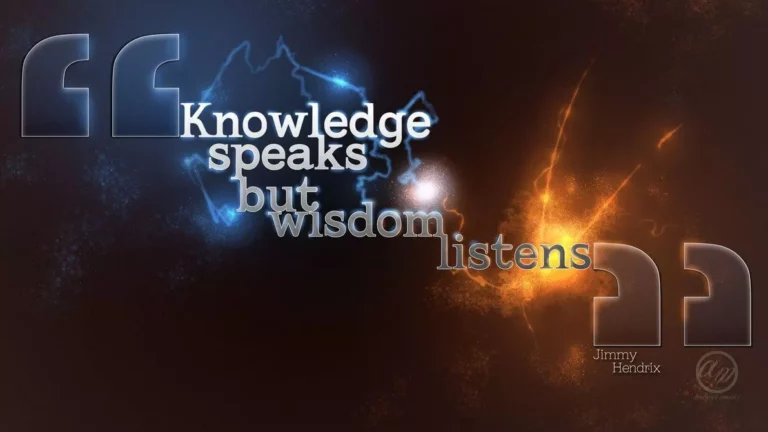
The Difference Between Knowledge and Wisdom

“Where is the wisdom we have lost in knowledge? Where is the knowledge we have lost in information?” ~ T. S. Eliot.

Knowledge and wisdom might sound like synonyms since both refer to the mind and an accumulation of thoughts and experiences, but there are real differences in the actual application in our life.

Knowledge

There are different types of knowledge categorized in different manner by various people. We can have, for example, systemic knowledge, needed in order to get the square root of a given number. Semantic knowledge is another kind, that allows us to grasp the meaning of words. There is knowledge that comes through our senses, which is based on observation is known as empirical knowledge.

Leadership with educationKnowledge can be deduced from some premises; it can be explicit or implicit. Its subject can be our inner self or the world around us. It can be a technique or even a fact, it can be distinct or diffuse and even noble or vile among many other ways. It could also be that knowledge is derived from ideas, as Plato postulated; or drawn for experience, as David Hume did.

We can say that knowledge is some sort of awareness or an identification principle that gives us an account of what a thing is and its features. It is the material comprising the fabric of our understanding with which we wrap the world we inhabit. And it does not stop there!

Because our understanding creates relationships between known things, our knowledge gets combined through the use of reason. All known things become an active part of our world view.

They get integrated into an interdependent network of approved facts that sustain our world. These beliefs are interconnected, forming our single and coherent view of what there is. It is, to put it in Quine’s words, The Web of Belief. Once a belief has been incorporated, it becomes a node that enriches further exploration on a similar subject. The integration of new insights happen while reviewing the useful things from previous ones.

dikw1

With a system of beliefs that gets more complex as time goes on, it provides a richer database that serves as a pool giving us more solutions to problems. Data can also be combined with itself to produce more refined data where more shades can be differentiated.

Building on top of each other, humanity has been accumulating and multiplying information. As Newton said: nanos gigantum humeris insidentes: “If I have seen further it is by standing on the shoulder of giants”.

Despite the expansion of our “data-base”, a continuous critical observation of our thinking process is crucial. Without reflection on the purpose of our thirst for knowledge, the danger of getting lost in the sea of information is significant.

Currently, the predominant educational systems orbit around methods that are mainly engaged on the slow process of linear integration of data and skills required to function in our capitalistic world. With little room for self-expression or personal growth, we turn the mind of the next generations into minds that compute… and there is so much more to what the mind can and should do besides computing e.g. feeling empathy or introspection.

Wisdom

With such a strong emphasis on this kind of education as a requirement for success in our current times, the division of the fields of research covers smaller fields by the day. Because of this, I think it is important to draw attention towards two very distinct kinds of knowledge.

The first one is erudition; characterized by the accumulation of information, it can be pictured as a large database, like a historian who has good memory and can recall the dates of many events. The second type of knowledge that I think is important to bring about, is wisdom. There are many ways in which this word is understood, I wish to specify mine.

Wisdom is a special kind of knowledge because its effect is the uplifting of our life and of those around us to a higher and better way of being. Opposed to erudition, wisdom is not characterized by having a bigger brain, but a bigger heart. Wisdom is knowledge that is well aligned with its present circumstances, so the outcome is that of well-being. Transforming our sensible intentions and considerations into factual happiness, wisdom has the capacity to un-crook the crooked ways and shine light where there is none.
bertrand-russell-quote

It is, therefore, I believe of utmost importance to direct ourselves towards the attainment of wisdom before erudition because well being should come before anything else.

It is true that technological innovation can lead to the improvement of tools that could benefit us, but remember, that without having a guiding principle that contains some degree of altruism, peace and joy is not possible.

Technology is a tool, and the way we use those tools makes them what they are. It is the spirit of the usage and direction that we inject in the tools, with our intentions.

Emmanuel Kant famously wrote: “Thoughts without content are empty, intuitions without concepts are blind.”

Similarly, knowledge without wisdom is hollow while wisdom without knowledge is difficult. Wisdom is always in touch with reality, and when it does, it yields many fruits, such as: happiness, pain alleviation, peace and many more.

11275-wisdom

The difficult thing is that wisdom can be a somewhat tricky thing to catch. It is not as straight forward as learning ABC. It can sometimes be obtained through going deep into consideration and spending a lot of time on pondering over a subject.

Wisdom can be the recognition of our inner voice that urges us to do a specific action. It can be intuitive or a matter of wits, thoughtful or sudden.

In all cases, the quest for wisdom requires total commitment and purity of soul. Let us keep our eyes wide open and a crystalline intention. Let us seek the light.

Live your Dream, the Dots will Connect

“I am thankful for all of those who said NO to me. Its because of them I’m doing it myself.” ~ Albert Einstein

There are plenty of inspirational quotes on following one’s heart, taking the path less traveled but most of it is never absorbed. By absorbed I mean listening with the intent of actually working on it.

we become what we wantI thought it would be fair to tell you a little story, the story of Fractal Enlightenment. A blog that was started way back in 2006 while we had 9 to 5 jobs that took more than half of our time at that point. But whenever we found the time, we worked on the blog, sometimes even after office hours.

We had a dream; to be free from the corporate slave system and pursue our spiritual interests that would also allow us to travel and work from anywhere we choose. The plan was to be sustainable on a farm and make some money to make ends meet.

We have come a long way from taking the plunge and quitting our jobs after we received our first payment. Has it been easy? In short no. Its been a constant struggle, lot of hard work, dedication, perseverance and most importantly, patience – to keep rising every time things went haywire or not according to plan. Learn and move on.
mark-twain-dream
When we moved to a new place last year on rent, our bank balance went down to zero. With a family to support, we just about scraped through that year and then something incredible happen. Just as they say when you reach your lowest lows, the universe is preparing you for your highest highs.

We bounced back, we had more than what we needed at that point of time. But its not the money that really matters, its the freedom that we have got and the fact that we don’t have to work for a corporation but work towards saving Mother Nature.

Never stop doing what you are doing when you know its what your heart truly wants. There are many reasons why you should follow your dreams, but the best reason you will find in this short testament by Jim Carrey.

Jim Carrey  -  Follow Your Dreams!

One of the most inspiring speech that pushed me to get out and start on my own is ‘Stay Hungry, Stay Foolish’ by Steve Jobs. The words that actually spoke to me were ‘the dots will connect…’ and when I could begin connecting the dots I realized that this is what destiny is, it was always meant to be.

Steve Jobs Stanford Commencement Speech 2005

“The only way to do great work is to love what you do. If you haven’t found it yet, keep looking. Don’t settle.” ~ Steve Jobs

Scientists Uncover the Several Benefits of Fasting

 “Fasting is the greatest remedy – the physician within.” ~ Paracelsus, a 15th century Swiss German Renaissance physician, botanist.

Imagine when you stop the overindulgence and rest the digestive system, you allow your body to detoxify, repair cells, tissues and organs – which in turn leads to a better mental and emotional health.

Ancient traditions like Buddhism, Jainism, Islam and more follow a practice of fasting as a way of purifying the mind, body, spirit and instilling self-discipline and control.

Scientists are now discovering the multiple bodily benefits of fasting; from reducing risks of heart disease and diabetes, protecting against brain disease to effectively treating cancer in human cells.

What does the body do in fasting?

Our bodies know how to heal themselves, we just need to give them the time and opportunity to do so. When we fast (be it only water or liquids), the body starts using the stored fat as a source of energy.

In the beginning, our body will naturally get rid of diseased tissues, excess nutrients, and accumulated waste and toxins. This cleansing process creates an environment for the body to begin its healing – it starts to repair and regenerate different organs.

Like when you are sick, your appetite decreases, or even for animals, they often lie down and don’t eat or drink. Energy goes towards healing our bodies instead of digesting food.

Let’s take a look at the 5 proven benefits of fasting ~

Protects against immune system damage

A recent study by researchers from the University of Southern California showed that prolonged fasting not only protects against immune system damage – a major side effect of chemotherapy – but also induce immune system regeneration. Fasting shifts stem cells from a dormant state to a state of self-renewal.

In a clinical trial involving patients who were receiving chemotherapy, scientists found that when patients did not eat for a long period of time, it significantly lowered their white blood cell counts. Since it lowers the white blood cell count, this induces changes that trigger stem cell-based regeneration of new immune system cells. Fasting cycles can, basically, generate a new immune system.

“Chemotherapy causes significant collateral damage to the immune system. The results of this study suggest that fasting may mitigate some of the harmful effects of chemotherapy.” Co-Author Tanya Dorff, assistant professor of clinical medicine at the USC Norris Comprehensive Cancer Center and Hospital.

Helps in treating cancer

A study conducted on the effects of fasting on treating cancer patients have found that the ones who included fasting into their therapy witnessed fewer side effects from chemotherapy. It slowed the growth and spread of tumors and even eliminated the threat of cancer in some patients.

Researcher Professor Valter Longo, University of Southern California said, “what we are seeing is that the cancer cell tries to compensate the lack of all these things missing in the blood after fasting. It may be trying to replace them, but it can’t. The cell is, in fact, committing cellular suicide”.

Protects the Brain against Alzheimer’s and Parkinson’s

Fasting is a process of restraining from temporary sensory pleasures and channeling your energy to serving a higher purpose. Cutting daily food intake for 1–2 days a week can also help protect the brain against degenerative diseases such as Alzheimer’s, Parkinson’s and other ailments.

Or even cutting down the daily intake to 500 calories for a few days in a week boosts the growth of neurons in the brain, a process that would counteract the impact of Alzheimer’s and Parkinson’s.

Lowers the risk of heart disease and diabetes

Studies show that fasting triggers a significant surge in growth hormone, credited with increasing metabolism and burning off fat. During fasting, our body pulls LDL (bad) cholesterol from the fat cells and uses it as energy.

This natural process can help in reducing the risk of developing diabetes. Evidence from clinical trials shows that fasting can limit inflammation, improve levels of sugars and fats in circulation, and reduce blood pressure.

Spiritual Benefits of Fasting

I have been fasting for a long time (not so regularly), where I only drink water the whole day, and the next day it feels like a total cleanse. I’ve felt rejuvenated, re-energized and a clear mind. When the mind is clear, it is easier to attain higher states. I felt more connected with my inner self and with things around me.

Even prior to a shamanic ritual, one is advised to follow fasting – liquids or fresh fruits/salads – because the process not only detoxifies but also purifies your body – which is essential for a deep healing experience. 

(Make sure you do your research before trying anything out. You don’t need to skip all meals, start slow. Eat only salads, drink soups, or fresh fruit juices or a raw food diet also helps. Give your digestive system a break once in a while!)

(The information provided in this article is not intended to be a substitute for professional medical advice, diagnosis, or treatment. Always seek the advice of your physician or other health provider/naturopath with any questions you may have regarding a medical condition)

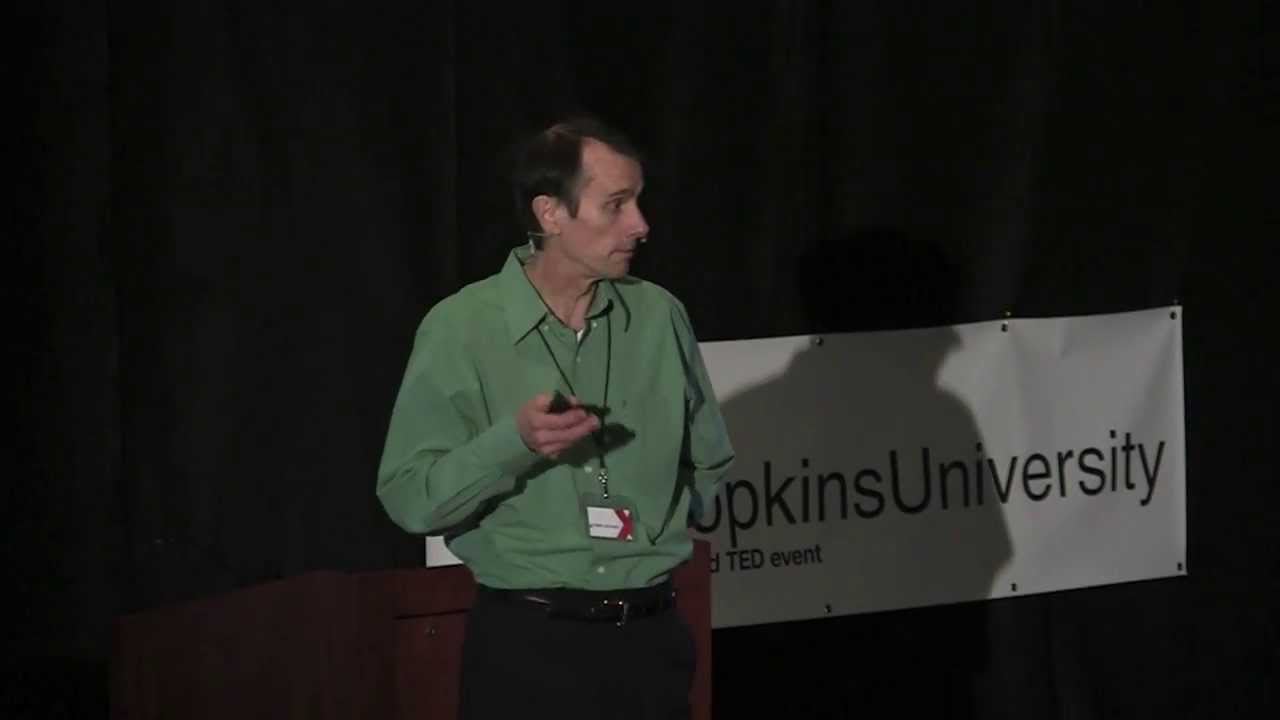
Here’s another great video that shows why fasting bolsters brain power –

Why fasting bolsters brain power: Mark Mattson at TEDxJohnsHopkinsUniversity

References

Fasting can regenerate immune system
Intermittent fasting
Fasting
Study on fasting
Health and fasting
Fasting protects the brain
Stem cell regeneration
Fasting and cancer
Water
Immunity and fasting
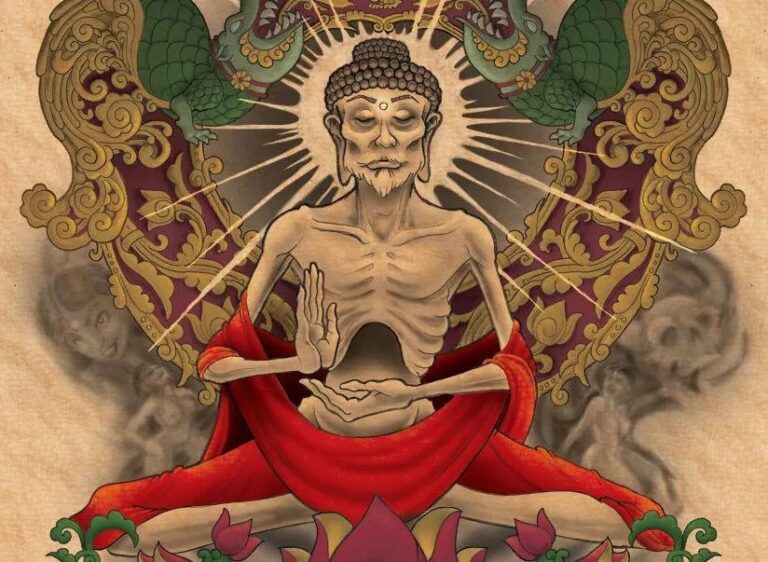
Fasting Buddha

A Simple Way to Create Your Own Reality

3

Day or night, everywhere you look, life reflects the truth into your eyes. You create your own reality. From the moment you first open your eyes to greet the day, is your first thought one of joy and anticipation of adventure?

Are you thankful for the replenishing sleep, the comfort of your dwelling space? If so, then you are creating a marvelous beginning to a day of promise and contentment. As you prepare for the day, you choose your morning rituals.

What you project is what others reflect

“Life is an echo. What you send out comes back. What you sow you reap. What you give you get. What you see in others exists in you.” ~ Zig Ziglar

That first step out of bed, or more likely for many here, a few minutes to look through your phone to check your email, texts, twitter, Facebook or Instagram. The morning elimination, a shower, coffee; perhaps breakfast. These choices are you creating your reality, as the choices you make become your physical, mental and emotional state throughout the day.

Create Your Own Reality

For many of us, the big decision of what to wear? Our favorite ensemble to emphasize our intention to own this day? Or maybe an old trusty standby outfit that we know will get us through the day. For the guys, do we shave? Take an extra minute or two to do our hair, throw on a cap or just go?

For the ladies, it is often much more complicated, hair, nails, make-up, perfume, accessories and the necessary maintenance items that must be carried along for later in the day. You know how heavily you can rely on your hair, make-up and outfit to give you that added confidence to make that presentation or deal with that special situation. Again, we see just how each behavior adds layers and context to our reality.

All of these things that take place in the first hour or two of waking for most of us have an immediate impact on how our day will play out as the world is going to reflect back to us what we put out into it. Do you smile and greet your neighbor as you head out to the day’s activities? Then once again, you’ve projected what will be reflected. Each little seemingly common place occurrence is seeding the next.

Yes, there will be what could be construed as glitches, yet they are nothing more than references to calibrate your emotional compass. How you react to the unexpected intrusions defines you and your reality.

Look for Gifts Within the Glitches

“If you are pained by any external thing, it is not this thing that disturbs you, but your own judgment about it. And it is in your power to wipe out this judgment now.”

marcus aurelius

If you look for the lesson, the message, and the gift within the glitches, you will soon notice that while they will continue to appear, their nature will change as once you’ve learned a lesson, you often move on to the next. A moment interpreted as problematic is a present laden with potential learning.

All the above mentioned scenarios influence and dictate your reality and you are the one creating it. A brief glance at an alternative construction. Do you wake up dreading the day? Turn on the news to hear about the latest mass murder, third world famine and celebrity gossip?

Light a smoke, pick up dirty clothes, and put them on to rush out the door scowling in thought about your unsatisfactory life? Does the sound of chirping birds annoy you? The cool morning air cause you to grumble about the weather.

Do you find yourself angered by someone’s cheer or excitement? Do you feel threatened by that which you do not understand and then lash out at others? Guess what? You are right, it all sucks, because that is what you choose to project, and that is what life reflects to you. (If this is you, power to you, I admire your strength, though I question your sanity)

Gratitude is the Best Attitude

“Gratitude unlocks the fullness of life. It turns what we have into enough, and more. It turns denial into acceptance, chaos to order, confusion to clarity.”

~ Melody Beattie

mandala-gratitude

Most of us fall somewhere in between the top and bottom scenarios. If you care to enhance your reality, you can. Start by being grateful for something, anything at all. If nothing else, be thankful for this breath as you breathe deep and then let go of expectations as you exhale.

Practice being grateful as often as you can (make a note, wear a bracelet, set an alarm, do something to remind you to be grateful as often as possible).

Once you get to where you are grateful for all the wonderful things, the next step, and this may sound odd, is to start practicing being grateful for the annoying, the bothersome, and the pain. This is a big step, and it is powerful.

Research suggests that receiving gratitude is more potent as compared to giving gratitude. When you remember the time when somebody genuinely thanked you for something that you did and the way it made you feel in receiving that gratitude, it shifts our body’s neural circuitry in a more effective way as compared to writing down things you are thankful for.

Gratitude can also heal us in several ways. Read the 5 Ways How Gratitude Can Heal You.

Remember, this is a practice and to be patient with yourself while you learn. You are worth the effort. You will be amazed at how your life changes. The more grateful you are, the better reality becomes. There is a lot more to creating your ideal reality, but first learn gratitude.

Image source

Reality
Gratitude

The Effect of the Full Moon on the Human Mind

46

Everything around us affects something within us – be it our exposure to the sun’s ultraviolet radiation (UVR), looking at the morning sky, taking a walk in the forest, or swimming in the sea – nature’s beauty prompts the flow of hormones and energy in our body. But not everything that’s present in nature is fundamentally good for human beings.

The Moon, romanticised by poets and artists since ages, has a series of negative effects on the human mind, scientifically and spiritually. Several scientists and research institutions have conducted experiments over the years to study the effect of moon and full moon nights on the human mind and behaviour.

Moon and the human mind – conscious and subconscious

The effect of the full moon on the human mind

According to Quantum Physics, everything in the Universe – stars, planets, satellites or even the moon has an operating frequency. The frequency emanated by the moon affects the frequency of the mind that exerts control over our feelings, emotions and desires.

The mind, which consists of conscious and subconscious mind, reacts to the standing and positioning of the moon in the sky. Neuroscience has recognized that the subconscious controls 95% of our lives.

The subconscious mind is the collective storehouse of impressions, memories and thoughts accumulated over the years and lifetime, and it has a higher operating frequency in comparison to that of the moon. One needs constructive thinking and observational skills to get into the realms of the subconscious mind.

The moon frequencies have the power to make the thought frequencies in our sub-conscious mind to surface to the conscious mind. Since our subconscious mind consists of unnecessary and necessary, positive and negative imprints, their combined rise to the conscious mind, can leave us feeling exasperated, crazy and mindless.

Let’s delve deeper into the Effect of the Full Moon on the Human Mind

The relation between Moon, Tides and the Human Body

The Moon is the reason for tides on Earth, as due to its gravitational pull, the volatile objects (water) on Earth tend to get disturbed. According to Aristotle and the Roman historian, Pliny the Elder, suggested that the brain was the “moistest” organ in the body.

Scientist went further on this line of thought and suggested that since the human body is made up of 80% water, it could be possible that the moon does influence human’s state of mind and behaviour. However, to each research that proves the same, there is a contradictory research denying the same.

But there is concrete evidence that the moon affects human sleep patterns. The evidence was published based on the experiment where 33 adult volunteers (of both sexes) of different age groups were made to sleep for several nights in a sleep lab.

Researchers studied and observed the volunteers’ brain activity, eye movements and hormone levels. Gradually, it was found out that on the nights closer to moon days, volunteers took an average of five minutes longer to fall asleep, and slept overall 20 minutes lesser than their usual sleeping hours.

Additionally, melatonin (a hormone that helps in regulating the sleep cycle) levels had dropped compared to other nights, hence proving the fact that people are prone to insomnia during full moon nights.

Practitioners of Ashtanga yoga are asked to avoid doing yoga on moon days: full moon and new moon. The reason for the same is that one exhibits too much energy on full moon days, which might lead to injury in the body.

It is, thus, advised, to indulge in activities that calms the mind like meditation.

Countering the influence of the Moon

In order to not let the moon vibrancy take over you, be vigilant about your own vibrations. Be watchful of your behaviour, impulses and thoughts on moon days.

Since, the new moon asks a part of your unconscious to rise up, you can use this as an opportunity to cleanse your mind off those thoughts which tend to bother and disturb you.

New moon energy can be used in our favour if we choose to harness that energy to reflect and create a better self.

A Full Moon Guided Meditation to Release Unwanted or Negative Energies

Full Moon Ritual: Guided Meditation Audio

Image sources and References

A Database on Research of Human Behaviour with Regards to the Full Moon
Moon and sleep
Spirituality and moon
Effect of Moon
How the moon messes with your sleep